


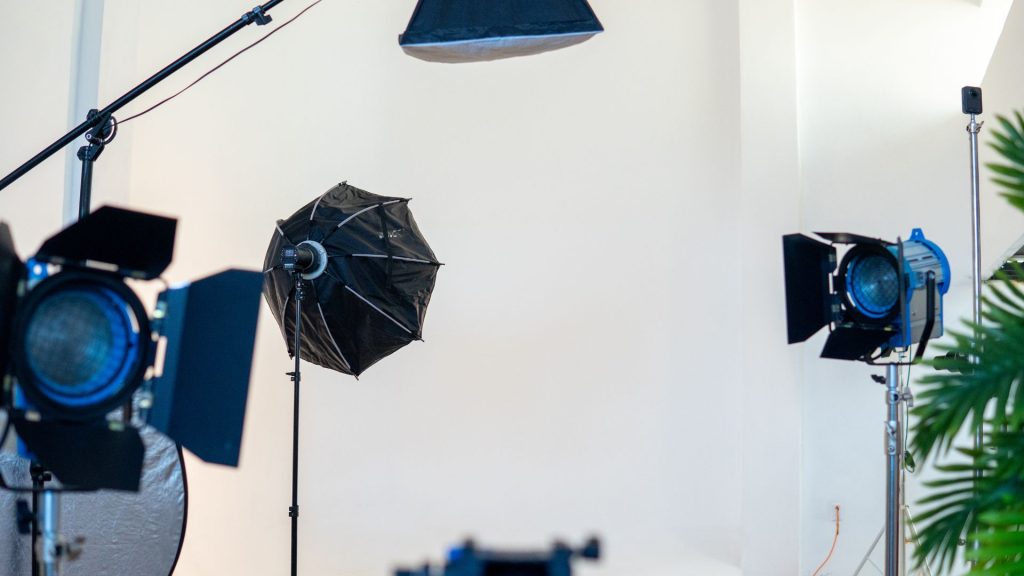
The studio photography industry in Philadelphia changed massively over the last few years. Studio photoshoots used to feel formal and old-school — stiff poses, basic backgrounds, awkward smiles, and generic lighting setups. Now the entire vibe is completely different. Modern studios in Philly focus on emotion, storytelling, aesthetics, and creating experiences that feel personal and visually cinematic.
People today book studio sessions for almost everything:
- Family portraits
- Maternity photography
- Birthday sessions
- Fashion shoots
- Branding content
- Couple photos
- Newborn sessions
- Social media content
Social media honestly transformed the industry. Instagram, TikTok, and Pinterest raised expectations like crazy. Clients no longer want simple portraits. They want photos that feel stylish, editorial, emotional, and unique enough to stand out online.
Philadelphia became a strong city for studio photography because it blends creative culture, urban energy, family-focused suburbs, and growing luxury markets all in one place. Some clients want elegant minimalist portraits, while others prefer dramatic lighting and fashion-inspired setups. That variety keeps the industry constantly evolving.
Why Studio Photography Keeps Growing
One big reason studio photography became so popular in Philadelphia is control. Outdoor photography can look beautiful, but weather in Pennsylvania honestly makes things unpredictable. Rain, snow, humidity, cold wind, harsh sunlight — all of it creates problems.
Studios remove those issues completely.
Inside a professional studio, photographers control:
| Studio Advantage | Why Clients Like It |
| Lighting | Consistent quality |
| Temperature | Comfortable sessions |
| Privacy | More relaxed atmosphere |
| Timing | No weather delays |
| Backgrounds | Creative flexibility |
This matters especially for families with small children, maternity sessions, newborn shoots, or luxury portraits where every detail matters.
Modern Philadelphia studios also look very different now compared to older photography spaces. Instead of stiff backdrops and outdated furniture, many studios feel more like stylish apartments or editorial sets.
Popular studio aesthetics include:
- Minimalist white interiors
- Neutral earth tones
- Natural light setups
- Soft textured furniture
- Editorial fashion spaces
- Cozy lifestyle rooms
The environment itself became part of the photography experience.
Social Media Changed Client Expectations Completely
Instagram basically reshaped studio photography. Clients now discover photographers visually before reading anything about pricing or experience.
A photographer’s feed instantly communicates:
- Editing style
- Luxury level
- Creativity
- Mood
- Personality
Philadelphia clients often arrive with saved inspiration photos already prepared from Pinterest or TikTok.
Popular trends right now include:
| Photography Trend | Popularity |
| Warm cinematic editing | Extremely high |
| Neutral color palettes | Very popular |
| Documentary-style posing | Growing rapidly |
| Fine-art lighting | Luxury trend |
| Black-and-white portraits | Timeless |
TikTok also changed how photographers market themselves. Behind-the-scenes videos, setup transformations, editing reels, and client reactions often attract huge engagement.
Clients today expect more than technical skill. They want photographers who understand aesthetics, social media culture, styling, and emotional storytelling.
Philadelphia’s Creative Culture Helps the Industry
Philadelphia has a strong artistic identity that naturally supports photography culture. The city mixes historic architecture, modern fashion influence, music culture, creative startups, and diverse communities.
That energy affects photography styles too.
Studio photographers in Philly often blend:
- Fashion-inspired posing
- Emotional storytelling
- Lifestyle aesthetics
- Urban creativity
- Minimalist design
Some photographers lean heavily into luxury editorial styles, while others focus on authentic documentary-style imagery.
The cool thing is that clients in Philadelphia often appreciate artistic work more than generic “perfect” portraits. Many people want photos that feel real, emotional, and stylish instead of overly posed.
Branding and Personal Content Became Huge
One major reason studio photography keeps growing is personal branding. Social media created enormous demand for high-quality visual content.
People now book studio sessions for:
- Instagram content
- Business branding
- LinkedIn profiles
- Personal websites
- Creative portfolios
- Influencer content
Entrepreneurs, content creators, fitness coaches, musicians, and online business owners all need professional visuals regularly now.
Philadelphia’s growing startup and creative business culture increased this demand heavily.
Modern branding sessions often include:
- Outfit changes
- Lifestyle setups
- Workspace scenes
- Minimalist portraits
- Social media crops
Photographers increasingly act like creative directors instead of simply taking pictures.
Family and Lifestyle Sessions Dominate
Even with fashion and branding growing, family photography still remains one of the biggest studio categories in Philadelphia.
Families love studios because sessions feel:
- Easier with children
- More comfortable
- Weather-free
- Predictable
- Private
Lifestyle-inspired family sessions became especially trendy. Instead of formal posing, photographers focus more on interaction and emotion.
Popular moments include:
- Parents playing with kids
- Candid laughter
- Movement and connection
- Soft natural interactions
The goal now is capturing feelings rather than perfect poses.
Luxury Studio Experiences Are Growing
Philadelphia’s photography market increasingly leans toward luxury experiences, especially in higher-income neighborhoods and surrounding suburbs.
Luxury studios often provide:
| Luxury Feature | Why Clients Pay More |
| Professional styling | Elevated final look |
| Hair & makeup services | Convenience |
| Designer studio interiors | Premium atmosphere |
| Client wardrobes | Fashion-focused sessions |
| Fine-art editing | High-end finish |
Clients today often pay not only for photos but for the emotional experience surrounding the session.
People want to feel confident, comfortable, stylish, and creatively inspired during shoots.
That emotional experience became a huge part of premium photography branding.
Editing Became Half the Art
Modern studio photography doesn’t end when the camera stops shooting. Editing became one of the biggest creative differentiators in the industry.
Philadelphia photographers currently favor:
- Warm skin tones
- Soft contrast
- Film-inspired color grading
- Natural retouching
- Cinematic mood
Clients often choose photographers based on editing style almost as much as shooting ability itself.
Some edits feel bright and airy. Others lean dramatic and moody. Each photographer builds a recognizable visual identity through post-production work.
AI tools also started speeding up workflows, but human artistic direction still matters heavily because clients want photos that feel emotional and personalized.
Studio Costs Keep Rising
Running a photography studio in Philadelphia honestly isn’t cheap anymore.
Photographers face expenses like:
- Rent
- Lighting equipment
- Furniture
- Props
- Insurance
- Marketing
- Editing software
Luxury studios especially invest heavily into interior design because clients immediately judge spaces visually.
Social media pressure also forces photographers to constantly update setups and aesthetics so portfolios don’t feel outdated online.
This creates intense competition because new photographers enter the market constantly while established studios continue upgrading experiences.
Repeat Clients Build Long-Term Success
One of the strongest parts of studio photography is client loyalty. Families and individuals who trust a photographer once often return repeatedly for future sessions.
Repeat bookings often include:
| Session Type | Common Timeline |
| Maternity photos | Pregnancy |
| Newborn sessions | First weeks |
| Family portraits | Annual |
| Birthday shoots | Milestones |
| Branding updates | Business growth |
This repeat-client cycle creates stability inside an industry that otherwise changes rapidly.
Word-of-mouth referrals also remain huge in Philadelphia, especially among parenting communities and local social circles.
The Future of Studio Photography in Philadelphia
The studio photography industry in Philly keeps evolving alongside social media trends, AI technology, and changing aesthetics.
Several trends are shaping the future:
| Trend | Industry Impact |
| Video integration | Hybrid photo/video packages |
| AI editing tools | Faster workflows |
| Luxury experiences | Higher-end client demand |
| Minimalist styling | Cleaner aesthetics |
| Content creation | Increased branding sessions |
Despite all the technology changes, the emotional side of photography still matters most.
People book photoshoots because they want to remember moments, preserve identity, celebrate milestones, or simply feel seen in a meaningful way.
That emotional connection is what keeps studio photography powerful even in an era where everyone already carries cameras inside their phones.
Conclusion
Studio photography in Philadelphia became far more than traditional portrait work. It now blends creativity, branding, storytelling, social media culture, and emotional connection into one rapidly evolving industry.
Modern clients expect personalized experiences, strong aesthetics, professional editing, and authentic emotional moments instead of generic posed photos. Studios provide comfort, creative flexibility, and consistency that outdoor photography sometimes can’t offer.
At the same time, competition remains intense, pushing photographers to constantly improve visual branding, customer experience, and artistic direction. But for photographers who understand modern culture and emotional storytelling, Philadelphia continues offering a strong and creatively exciting photography market.
The flower business in Connecticut has its own personality. It’s not as chaotic as New York City, not as tourist-driven as Florida, and not fully rural either. Connecticut sits in this interesting middle space where luxury lifestyles, coastal New England culture, wealthy suburbs, and small-town relationships all shape how florists work.
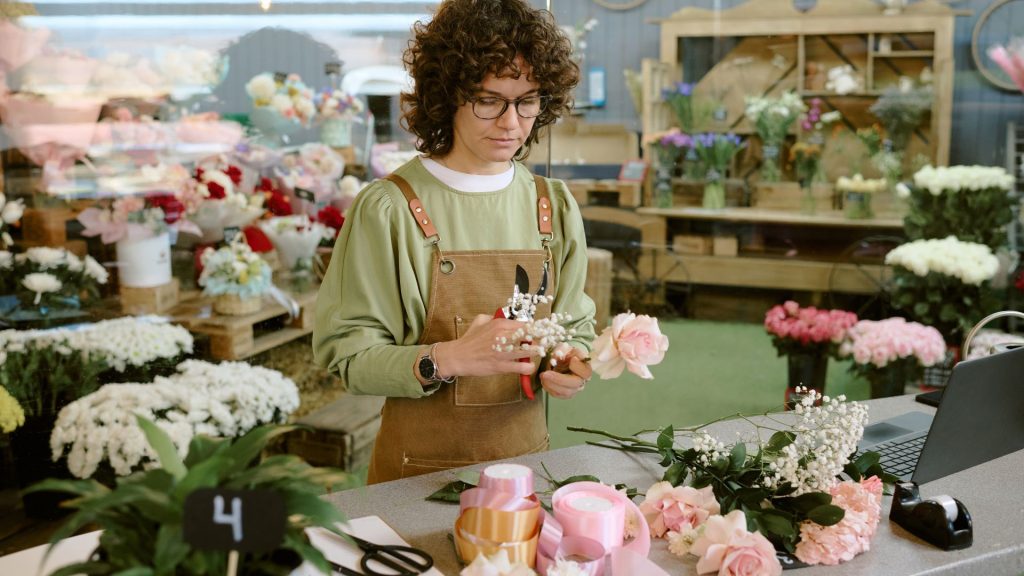
Flowers here are deeply connected to everyday life. People order arrangements not only for weddings and holidays but also for dinner parties, beach homes, corporate offices, baby showers, garden events, and seasonal home décor. In many parts of Connecticut, especially along the coast and inside affluent suburbs, fresh flowers almost became part of the lifestyle itself.
At the same time, local florists still rely heavily on personal relationships. Connecticut customers often stay loyal to businesses they trust. A florist who remembers birthdays, anniversaries, favorite flowers, or family traditions can build clients for years, sometimes even generations.
Another thing that makes Connecticut interesting is the balance between modern trends and classic New England taste. Customers love stylish floral designs, but they usually prefer arrangements that feel elegant and natural instead of overly flashy.
Coastal Connecticut Influences Floral Style
One of the biggest influences on floral design in Connecticut is the coastline. Towns near the water developed a very specific aesthetic over time — light, elegant, seasonal, and relaxed.
This coastal atmosphere shapes what customers often request:
- White and green arrangements
- Hydrangeas
- Garden roses
- Soft pastel palettes
- Natural textures
- Loose organic bouquets
Many homes near the coast use flowers almost like interior design pieces. Florists regularly create arrangements for:
| Floral Use | Common Demand |
| Dining tables | Very high |
| Beach houses | Seasonal demand |
| Outdoor summer parties | Popular |
| Entryway arrangements | Luxury homes |
| Yacht events | Coastal clientele |
Customers often want flowers that feel fresh and effortless rather than stiff or overly formal.
Hydrangeas especially became almost symbolic of Connecticut summer style because they fit perfectly with New England architecture and coastal gardens.
Wedding Season Becomes Absolute Chaos
Connecticut wedding season is honestly huge for florists. Once spring arrives, the entire industry speeds up fast.
The state has countless wedding venues including:
- Vineyards
- Historic estates
- Country clubs
- Waterfront properties
- Barn venues
- Private gardens
This creates nonstop demand for floral design services throughout late spring, summer, and early fall.
Wedding clients in Connecticut usually lean toward sophisticated, timeless aesthetics instead of extremely trendy designs. Couples often ask for:
- Garden-inspired florals
- Soft romantic color palettes
- Elegant greenery
- Hanging floral installations
- Minimal luxury styling
Pinterest and Instagram changed expectations massively. Brides now arrive with detailed mood boards and expect florists to recreate high-end editorial-style weddings they’ve seen online.
At the same time, many Connecticut weddings still maintain a relaxed East Coast elegance compared to more over-the-top event styles seen in larger cities.
Local Flower Farms Became More Important
Connecticut has a surprisingly strong local flower farming community, especially during warmer months. More customers now ask specifically for locally grown flowers because they want fresher blooms and more sustainable options.
Popular locally grown flowers include:
| Flower Type | Peak Season |
| Dahlias | Late summer |
| Peonies | Spring |
| Sunflowers | Summer |
| Zinnias | Summer |
| Cosmos | Summer |
Local flowers often feel more textured and natural compared to imported blooms. Florists use them heavily in seasonal arrangements and weddings because customers love the “fresh from the garden” look.
Sustainability also became a bigger topic in recent years. Younger buyers especially appreciate:
- Seasonal flowers
- Reduced plastic packaging
- Foam-free floral design
- Local sourcing
Even though imported flowers still dominate parts of the industry, seasonal Connecticut-grown flowers continue gaining popularity.
Social Media Changed Everything for Florists
Instagram completely transformed the floral industry in Connecticut. Flowers naturally perform well online because they photograph beautifully, especially in coastal settings and luxury events.
Florists now spend huge amounts of time creating content like:
- Bouquet videos
- Wedding setup reels
- Seasonal arrangement photos
- Behind-the-scenes floral design
- Flower delivery clips
A florist’s social media page basically became their digital storefront.
Customers often choose florists based on visual style before even asking about pricing.
Popular Connecticut floral aesthetics right now include:
- Neutral luxury
- Garden-style florals
- Soft romantic textures
- Minimalist bouquets
- Seasonal organic arrangements
Visual branding matters almost as much as floral quality itself now.
Same-Day Delivery Became Expected
Connecticut customers increasingly expect convenience alongside quality. Same-day flower delivery became almost essential for local florists trying to stay competitive.
People order flowers constantly for:
- Birthdays
- Sympathy gifts
- Date nights
- Anniversaries
- Last-minute celebrations
- Corporate gifting
Even though Connecticut feels calmer than NYC, many residents still live busy commuter lifestyles and expect fast service.
Delivery logistics can get complicated though, especially during winter storms or heavy traffic around Fairfield County and coastal towns.
Flowers are fragile products, so florists need efficient transportation systems that protect arrangements during delivery.
Sympathy Flowers Still Matter Deeply
Despite modern trends constantly shifting, funeral and sympathy flowers remain one of the most emotionally important parts of the business.
Connecticut communities often maintain strong traditions around memorial services, churches, and family gatherings. Florists regularly create:
- Standing sprays
- Wreaths
- Casket arrangements
- Sympathy bouquets
- Church altar flowers
This side of floristry requires emotional sensitivity and calm communication. Customers ordering sympathy flowers are often grieving and overwhelmed, so kindness matters just as much as design skill.
Long-term relationships with funeral homes and religious organizations still play an important role for many local florists.
Luxury Homes Increased Floral Demand
One interesting thing about Connecticut’s floral market is how strongly it connects to home décor culture. In wealthier areas, fresh flowers became part of interior styling and entertaining culture.
Some homeowners regularly order flowers for:
| Home Floral Use | Popularity |
| Weekly arrangements | Growing trend |
| Dinner parties | Very common |
| Seasonal home styling | High demand |
| Holiday decorating | Strong seasonal business |
Florists sometimes work almost like interior designers, helping clients choose arrangements matching specific rooms or event aesthetics.
This recurring home-floral demand creates more stable year-round business outside wedding seasons.
Competition Keeps Growing
The Connecticut flower industry became much more competitive over the last decade. Florists now compete not only against local shops but also against:
- Grocery stores
- Online flower services
- Luxury floral studios
- Freelance event designers
- Subscription flower companies
To survive, many florists focus heavily on:
- Personalized customer service
- Unique design styles
- Social media visibility
- Luxury event work
- Strong local relationships
Customers still value community connection strongly though. Many people prefer buying from local florists who feel authentic and familiar rather than giant national delivery platforms.
The Future of Floristry in Connecticut
The flower industry in Connecticut keeps evolving alongside lifestyle trends and social media culture.
Several major trends are shaping the future:
| Trend | Industry Impact |
| Sustainable floristry | More local sourcing |
| Luxury weddings | Higher floral budgets |
| Online ordering | Increased convenience |
| Visual branding | Stronger social media focus |
| Personalized arrangements | Greater customer loyalty |
Customers increasingly want flowers that feel emotional, artistic, and meaningful rather than generic.
Even as technology changes how florists market and deliver products, the emotional connection behind flowers stays incredibly powerful. People still turn to flowers during life’s biggest moments — celebrations, heartbreak, weddings, grief, love, and family milestones.
That emotional connection is honestly why floristry continues surviving even in such a fast-changing world.
Conclusion
Florists in Connecticut operate inside a unique market shaped by coastal culture, luxury lifestyles, strong community relationships, and evolving modern trends. Weddings, local flower farms, home décor culture, and social media all strongly influence how the industry works today.
At the same time, customers increasingly expect both convenience and personalization. They want flowers that feel stylish and modern while still carrying emotional meaning and authentic craftsmanship.
For florists who understand Connecticut’s balance between elegance, community, and seasonal beauty, the industry continues offering strong creative and business opportunities.